

Main Form Products > Ceramic Adhesives & Sealants
Ultimate Guide to Ceramic Adhesives: Tips and Best Practices
Unlock the secrets to strong, lasting bonds with our Ultimate Guide to Ceramic Adhesives. Discover expert tips and best practices for flawless results!
Types of Ceramic Adhesives
When embarking on a project that involves ceramics, understanding the various types of adhesives available is crucial. Epoxy adhesives, for instance, are renowned for their exceptional bonding strength and durability. These two-part adhesives consist of a resin and a hardener, which, when mixed, create a robust bond capable of withstanding significant stress and environmental factors. Epoxies are particularly favored for their versatility, offering excellent adhesion to a wide range of materials, including metals, glass, and plastics, in addition to ceramics. This makes them an ideal choice for both industrial applications and intricate DIY projects.
Cyanoacrylate adhesives, commonly known as super glues, are another popular choice for ceramic bonding. These fast-acting adhesives cure almost instantly upon contact with moisture, making them perfect for quick repairs and small-scale projects. Cyanoacrylates form a strong, clear bond that is nearly invisible, preserving the aesthetic integrity of the ceramic piece. However, they are best suited for non-porous surfaces and are less effective on porous ceramics, as the glue can be absorbed, weakening the bond.
Silicone adhesives offer a unique set of properties that make them suitable for specific ceramic applications. These adhesives are flexible, waterproof, and resistant to temperature extremes, making them ideal for use in environments where the ceramic may be exposed to moisture or significant temperature fluctuations. Silicone adhesives are often used in applications such as sealing ceramic tiles in bathrooms and kitchens, where their flexibility and water resistance provide long-term durability. Understanding these different types of ceramic adhesives allows for more informed decisions, ensuring the right adhesive is chosen for each specific project.
Key Properties of Effective Ceramic Adhesives
The effectiveness of a ceramic adhesive hinges on several key properties that determine its suitability for various applications. Bond strength is arguably the most critical property, as it dictates the adhesive's ability to hold the ceramic pieces together under stress. High bond strength ensures that the adhesive can withstand mechanical forces, vibrations, and impacts, making it ideal for structural applications and repairs that require long-lasting durability. Adhesives with high bond strength are particularly important for ceramic items that will be subjected to heavy use or environmental stressors.
Another essential property is the adhesive's curing time. Curing time refers to the duration it takes for the adhesive to fully harden and achieve its maximum bond strength. Fast-curing adhesives, such as cyanoacrylates, are advantageous for quick repairs and projects that require minimal downtime. However, longer curing adhesives, like certain epoxies, often provide stronger bonds and greater durability, making them suitable for applications where bond strength is paramount. Balancing the need for quick curing with the desired bond strength is crucial when selecting an adhesive for a specific project.
Temperature and chemical resistance are also vital considerations for effective ceramic adhesives. Ceramics are often used in environments where they are exposed to heat, moisture, and various chemicals. Adhesives that can withstand these conditions without degrading ensure the longevity and reliability of the bond. For example, silicone adhesives are known for their excellent temperature and moisture resistance, making them ideal for applications such as sealing tiles in bathrooms and kitchens. By understanding these key properties, one can select the most appropriate adhesive for their ceramic project, ensuring optimal performance and durability.
Choosing the Right Ceramic Adhesive for Your Project
Selecting the right ceramic adhesive for your project involves a careful evaluation of the specific requirements and conditions the ceramic will be subjected to. One of the first factors to consider is the type of ceramic material being bonded. Different ceramics, such as porcelain, stoneware, and earthenware, have varying porosities and surface characteristics that can affect adhesion. For instance, porous ceramics may require an adhesive that can penetrate and fill the pores to create a strong bond, while non-porous ceramics might benefit from a quick-setting adhesive like cyanoacrylate.
The intended use of the ceramic item also plays a significant role in adhesive selection. For decorative items that will not be subjected to much stress, a fast-drying adhesive with moderate bond strength may be sufficient. However, for functional items such as ceramic tiles or dishes, a stronger adhesive with high durability and resistance to environmental factors is necessary. Epoxy adhesives are often a go-to choice for such applications due to their robust bond strength and versatility. Additionally, if the ceramic piece will be exposed to moisture, temperature fluctuations, or chemicals, an adhesive with appropriate resistance properties, such as silicone, should be considered.
Ease of application is another important factor to consider when choosing a ceramic adhesive. Some adhesives require precise mixing and application techniques, which may be challenging for beginners. In contrast, others come in ready-to-use forms, making them more user-friendly. Assessing the complexity of the adhesive application process and matching it with your skill level and project requirements can save time and reduce the risk of application errors. By carefully considering these factors, you can choose the right ceramic adhesive that meets the specific needs of your project, ensuring a strong and lasting bond.
Surface Preparation for Optimal Adhesion
Proper surface preparation is essential for achieving optimal adhesion when working with ceramic adhesives. The first step in preparing the surface is to ensure it is clean and free of any contaminants that could interfere with the adhesive bond. Dust, grease, oils, and other debris can create a barrier between the adhesive and the ceramic surface, weakening the bond. To clean the surface, use a mild detergent and water to remove any dirt and grease, followed by rinsing with clean water and allowing the surface to dry completely. For more stubborn contaminants, a solvent such as isopropyl alcohol can be used to ensure thorough cleaning.
Once the surface is clean, it is important to roughen it slightly to provide better mechanical adhesion for the adhesive. This can be achieved using fine-grit sandpaper or a diamond abrasive tool, which creates micro-abrasions on the ceramic surface. These tiny grooves increase the surface area available for the adhesive to bond to, resulting in a stronger and more durable attachment. After roughening the surface, be sure to remove any dust or debris generated during the sanding process, as these particles can also interfere with the adhesive bond.
In some cases, applying a primer or adhesion promoter may be necessary to enhance the adhesive's bonding capabilities. Primers are specially formulated to improve the adhesive's wettability and penetration into the ceramic surface, creating a more robust bond. When using a primer, follow the manufacturer's instructions for application and drying times to ensure optimal results. By taking the time to properly prepare the ceramic surface, you can significantly improve the strength and longevity of the adhesive bond, ensuring the success of your project.
Application Techniques for Ceramic Adhesives
Applying ceramic adhesives effectively requires attention to detail and adherence to best practices to ensure a strong and lasting bond. One of the most important aspects of application is the method of adhesive application, which can vary depending on the type of adhesive being used. For instance, epoxy adhesives typically require thorough mixing of the resin and hardener components before application. It is crucial to mix these components in the correct proportions and for the recommended duration to achieve the desired bonding properties. Using a clean, disposable container and mixing tool can help prevent contamination and ensure a consistent mixture.
For adhesives that come in ready-to-use forms, such as cyanoacrylates, the application process is generally more straightforward. These adhesives can be applied directly to the surface using the nozzle or applicator provided. It is important to apply the adhesive sparingly, as excessive adhesive can lead to messiness and weaken the bond by creating air pockets. A thin, even layer of adhesive ensures optimal coverage and bonding strength. Additionally, aligning the ceramic pieces accurately before the adhesive sets is crucial, as repositioning the pieces after the adhesive has started to cure can compromise the bond.
Clamping or applying pressure to the bonded ceramic pieces during the curing process can also enhance the adhesive bond. This is particularly important for adhesives that require curing under pressure, such as certain epoxies. Clamps or weights can be used to hold the pieces in place, ensuring consistent pressure and preventing movement that could weaken the bond. Be sure to follow the manufacturer's recommendations for clamping duration and pressure to achieve the best results. By paying attention to these application techniques, you can maximize the effectiveness of ceramic adhesives and ensure a strong, durable bond.
Common Mistakes to Avoid When Using Ceramic Adhesives
When working with ceramic adhesives, avoiding common mistakes can make the difference between a successful project and one that falls apart. One frequent mistake is insufficient surface preparation. Failing to clean and roughen the ceramic surface properly can result in poor adhesion and a weak bond. Adhesives rely on a clean, slightly roughened surface to achieve optimal bonding, and neglecting this step can lead to adhesive failure. Always take the time to thoroughly clean and prepare the surface before applying the adhesive to ensure a strong and lasting bond.
Another common mistake is using too much or too little adhesive. Applying an excessive amount of adhesive can create air pockets and uneven bonding, weakening the overall strength of the bond. Conversely, using too little adhesive may result in insufficient coverage and a bond that cannot withstand stress. It is important to follow the manufacturer's recommendations for the appropriate amount of adhesive to use, applying a thin, even layer for optimal results. Additionally, ensure that the adhesive is evenly distributed across the bonding surface to prevent weak spots and ensure a strong connection.
Incorrect curing times and conditions can also compromise the effectiveness of ceramic adhesives. Different adhesives have specific curing requirements, including temperature, humidity, and duration. Failing to adhere to these requirements can result in incomplete curing and a weak bond. For instance, some adhesives require curing at room temperature, while others may need elevated temperatures to achieve full strength. Always follow the manufacturer's instructions for curing times and conditions, and avoid disturbing the bonded pieces until the adhesive has fully cured. By avoiding these common mistakes, you can ensure the success of your ceramic adhesive projects and achieve reliable, long-lasting bonds.
Curing and Drying Times: What You Need to Know
Understanding the curing and drying times of ceramic adhesives is essential for achieving strong and durable bonds. Curing time refers to the period required for the adhesive to fully harden and achieve its maximum bond strength. This process can vary significantly depending on the type of adhesive and environmental conditions. For example, epoxy adhesives typically have longer curing times, ranging from several hours to a full day, depending on the formulation. During this time, it is important to keep the bonded pieces undisturbed to allow the adhesive to set properly and form a strong bond.
In contrast, cyanoacrylate adhesives, commonly known as super glues, offer much faster curing times, often setting within seconds to a few minutes. While this quick curing time is advantageous for rapid repairs, it also requires precise alignment of the bonded pieces, as there is little opportunity for repositioning once the adhesive sets. It is important to work quickly and accurately when using cyanoacrylates to ensure a proper bond. Additionally, some cyanoacrylate adhesives may require the presence of moisture to cure effectively, so slightly dampening the surfaces before application can enhance the bonding process.
Environmental factors such as temperature and humidity can also impact the curing and drying times of ceramic adhesives. Higher temperatures generally accelerate the curing process, while lower temperatures can slow it down. Similarly, higher humidity levels can speed up the curing of moisture-sensitive adhesives like cyanoacrylates, while low humidity can prolong the curing time. It is important to consider these factors when planning your project and allow for sufficient curing time under the recommended conditions. By understanding and adhering to the curing and drying times of ceramic adhesives, you can ensure the success and longevity of your bonded ceramic items.
Maintenance and Care of Bonded Ceramic Surfaces
Proper maintenance and care of bonded ceramic surfaces are essential to ensure the longevity and durability of the adhesive bond. One of the key aspects of maintaining bonded ceramics is regular cleaning. Dirt, dust, and grime can accumulate on the surfaces over time, potentially weakening the adhesive bond. To clean bonded ceramic surfaces, use a mild detergent and water, avoiding harsh chemicals or abrasive cleaners that could damage the adhesive or the ceramic material. Gently scrub the surface with a soft cloth or sponge, and rinse thoroughly with clean water to remove any soap residue.
In addition to regular cleaning, it is important to inspect bonded ceramic surfaces periodically for any signs of damage or deterioration. Look for cracks, chips, or any areas where the adhesive bond may be weakening. If any issues are detected, address them promptly to prevent further damage. For minor repairs, applying a small amount of adhesive to the affected area can help reinforce the bond. However, for more significant damage, it may be necessary to re-bond the ceramic pieces using the appropriate adhesive and following the proper surface preparation and application techniques.
Environmental factors such as temperature fluctuations and moisture exposure can also impact the integrity of bonded ceramic surfaces. For items used in environments with extreme temperatures or high humidity, it is important to choose adhesives that are specifically designed to withstand these conditions. Additionally, avoid exposing bonded ceramics to sudden temperature changes, as this can cause thermal shock and weaken the adhesive bond. By taking these precautions and providing regular maintenance and care, you can ensure the long-term durability and performance of your bonded ceramic surfaces.
Conclusion: Maximizing the Benefits of Ceramic Adhesives
In conclusion, understanding the various types of ceramic adhesives, their key properties, and the proper techniques for surface preparation and application is essential for achieving strong and durable bonds. By selecting the right adhesive for your specific project, preparing the surfaces properly, and applying the adhesive with precision, you can ensure the success of your ceramic bonding endeavors. Avoiding common mistakes and adhering to the recommended curing times and conditions further enhances the effectiveness of the adhesive bond.
Regular maintenance and care of bonded ceramic surfaces are equally important to ensure their longevity and durability. By keeping the surfaces clean, inspecting for any signs of damage, and choosing adhesives that can withstand environmental factors, you can maximize the benefits of ceramic adhesives and enjoy the lasting strength and reliability they provide. Whether you are working on a DIY project or an industrial application, the knowledge and best practices outlined in this guide will help you achieve flawless results with ceramic adhesives.
By unlocking the secrets to strong, lasting bonds with ceramic adhesives, you can tackle a wide range of projects with confidence and precision. From decorative items to functional components, the right adhesive and techniques can make all the difference in the success and durability of your work. Embrace the tips and best practices shared in this ultimate guide, and take your ceramic bonding projects to new heights of excellence.
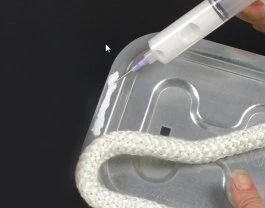
Ceramic High Temperature Adhesive
CerMaxä is a complete line of unique high temperature inorganic ceramic formulations for bonding and sealing ceramics, metals, quartz, graphite, carbons, textiles and composite materials and structures. High thermal and electrical resistance.